Spells, Gods, information about a world not seen with the eyes but with the heart, and power to do good in the world. All is free to enter into this realm, but to disrespect the craft is not one that I am willing to tolerate. I hope together we learn much on this journey.
Hi everyone! I hope that you all had a great Samhain like I did. Though I don't believe that I came into contact with my loved ones, I think that they still heard me. At least I hope they did. Anyway, I am going to be starting a new tradition. On one day of the week, I will be posting information about any given God/Goddess - Hindu, Greek, Asian, etc. - so that you can open yourself up to the different cultures and different Gods, as well as so you can gain a better idea of what God/Goddess you would like to reign over your altar or your life. Today, I will do Apollo. I will include information about Apollo and some fun facts. Let's get started! p.s. Don't be afraid to post any questions that you have in the comments below or like our Facebook page. The website should be located with the other websites to your right near the top of your page. If you don't really care, then this shouldn't concern you at all.
Apollo's Appearance: A young man with curly golden hair or, sometimes, rays of the sun emanating from his head..
Symbol or Attribute of Apollo: The Sun itself, the lyre (a type of musical instrument), the bow, and the chariot he drives across the sky daily, borrowed from an earlier pre-Greek Sun god, Helios.
Apollo's Strengths:Creative, handsome, supportive of all the arts of civilization.
Apollo's Weaknesses: Like his father Zeus, Apollo is all too happy to enjoy the charms of nymphs, as well as the occasional youth, and his conquests number in the dozens.
Birthplace of Apollo: On the sunny Greek island ofDelos, where he was born along with his twin sister,Artemis. A palm tree is pointed out as the actual site of the birth. Another tradition gives the islands of Lato, the Letoides, now called Paximadia, off the southern coast of Crete.
Spouse: Apollo had many encounters, but no formal marriages. Flings with Cassandra, to whom he gave the gift of prophecy; Daphne, who fled from his embrace and turned into a laurel tree; Acacallis, a maiden from the Samaria Gorge on the island of Crete who was spurned by her proud family for choosing a "foreign" Greek god, and Calliope, with whom he had a child, Orpheus.
Apollo's Children: Information varies, but the enchanting semi-divine singer Orpheus and Asklepios, also spelled Asclepius, Aesculapius and other variants, the god of healing, are the most famous of Apollo's offspring.
Some Major Temple Sites of Apollo: The mountain town of Delphi, where a few columns from an early temple of Apollo still stand. The island of Delos is also sacred to him, but there is no temple remaining there today.
Apollo in some places replaced an earlier solar god, Helios. High mountain tops were sacred to Helios, and today, churches dedicated to Saint Elias are often found on these same spots.
Basic Story: Apollo was the son of the supreme Greek god Zeus and Leto, a nymph. Zeus's wife Hera was outraged and convinced the earth to refuse to allow Leto to give birth anywhere on its surface. But the island of Delos allowed Leto to take refuge there and give birth to Apollo and his twin sister, Artemis, goddess of the hunt and wild things. The goddess Themis assisted in raising him by feeding him ambrosia, the sacred nectar of the gods.
Interesting Fact: Apollo Delphinus or Delphinius was the dolphin-form of the god and was revered at Delphi - despite its location high in the mountains. He supposedly commandeered a Cretan ship in his dolphin form, jumping out of the water and landing on its deck, and then forced it to the coastline at Delphi; the sailors on the ship supposedly became his first priests at Delphi. He was also believed to have destroyed an evil serpent at Delphi, and took over as the patron god of the famous oracle there. Some ancient coins show the head of Apollo with dolphins swimming in the background.
Apollo was said to be the most beautiful among the Greek gods, and the embodiment of the perfect man in ancient times. He was a deity with multiple powers - a great philosopher, artist, musician and marksman. This god of light and music is the twin of Artemis, goddess of the hunt; the son of Zeus (king of the gods) and Leto, a titan nymph. Here are fun facts about one of the most revered Olympian gods:
1. Apollo's other main patronage deals with health, diseases and the healing arts. He is said to bring good health to his faithful devotees. His son, Asclepios became the god of medicine. According to legends, Asclepios was such an expert at healing the sick that he even brought the dead back to life. Ironically, the sun god is also known as the harbinger of sudden death and disease to those that displeased him. The ancient Greeks believed that Apollo shot them with poisonous arrows (filled with disease) during the famous Trojan War.
2. Considered the most beautiful among the immortals, Apollo is often depicted as an ephebe or a young man without a beard. Poets describe him as having long golden curls and a forehead that shone brilliantly like the sun.
3. Apollo had a half brother with whom he deeply contrasted. While he is known as the deity of reason, order and harmony, his brother Dionysos represented chaos and all things pleasurable; the patron of wine and women.
4. He was a completely devoted to his mother Leto, and would kill ruthlessly in her name. The jealous goddess Hera was said to have sent beasts and giants to kill Zeus's mistress Leto while she was about to give birth to the divine twins. Apollo was said to have acquired the Oracle at Delphi after killing Python, a dragon (who was sent by Hera) there. He and his sister Artemis were also involved in the killing of the queen of Thebes's fourteen children, after Queen Niobe insulted their mother Leto.
5. As beautiful and stunning as he was, Apollo had his share of unrequited love and betrayals. The philosopher Libanius recounted the story of Daphne, a nymph who begged to be turned into a laurel tree to escape the advances of the sun god. In other myths, one of Apollo's lovers, Coronis, (mother of his son Asclepios) was murdered when he found out of her infidelity.
Jack-O'-Lantern : The tradition of carving a lantern started in the UK and was traditionally carved from a swede or a turnip. They were carved on All Hallows' Eve and left on the door step to ward off evil spirits.
Trick or Treating : The tradition of trick or treating can be traced back to the ancient Celts, who not only left an offering of food for the dead, but also as part of holiday revelry went begging from house to house. Both children and adults would knock on doors and give some sort of performance and would be given money, food, or drink as payment.
Bonfires : Bonfires were originally built to burn the bones after feasting on the animals slaughtered for winter.
Black Cats : Because cats are for the most part nocturnal and can sneak about relatively unseen at night, they have long been associated with mystery, witchcraft and the occult. It was believed that witches could turn themselves into cats at will. Once Christianity took hold in Europe, witchcraft was declared evil along with all symbolism since they attributed cats to witches, cats were deemed evil by proxy.
Pitchfork : The pitchfork in modern times is associated with the devil, but before Christianity the trident was a male fertility symbol and the "key to the Holy Door".
Scarecrows : The scarecrow contrary to popular opinion, is not really for scaring birds away from crops. A scarecrow is a magickal symbol used to guard the crops from failing.
Skeletons : During the paleolithic era and early Europe, skeletons and or skulls of loved ones were preserved, painted,and dressed, then displayed prominently during clan gatherings. Body-less heads were consulted and used as oracles, with offerings being given for their advise. Mexican culture celebrates "The Day of the Dead"on October 31 which is a conglomeration of Celtic, Catholic and Aztec mythos. On Oct. 31 the souls of the dead return to Mexico with the return of the monarch butterflies. They celebrate with parades, feasts, and dress up as skeletons, mummies, ghosts and ghouls and even have special edible treats shaped like skeletons and skulls.
Ghosts : Samhain is associated with the dead, and it is believed that on October 31 loved ones who have passed on may re-enter the world of the living and visit with their ancestors. Offerings are left for the spirits, special suppers are laid out for them and the spirit world is given honour.
Witches: The witch is a central symbol of Halloween. The name comes from the Saxon wica, meaning wise one. At Samhain the Goddess is depicted as an older woman or crone. Hecate and the Cailleach are both examples of crone Goddesses who were worshiped at Samhain Rituals. In order to stop Crone Goddess worship the Christian Church began to denigrate elderly women to remove their authority and knowledge from society. The Crone Goddess became the horrible, mean old hag (witch) that frighted children, cast curses, and poisoned crops and livestock. Many elderly women were tortured and killed simply because they were old.
Bats: When the Samhain bonfire was lit, it would attract lots of insects to the light, which in turn would attract bats to the bonfire who would commence a feeding frenzy. During the dark period of Europe when witches were being burned at the stake, the same principle would apply, the fire attracted bugs which attracted bats. This phenomena caused the belief that witches could turn into bats and fly away.
Werewolves: Many Celtic myths insist that by wearing a wolf skin one can transform themselves into a spirit beast. The term werewolf actually means spirit-wolf and the name was taken up by those who were opposed to Christianity.
Besoms: When setting out for a Sabbath, witches rubbed a sacred ointment onto their skin. This gave them a feeling of flying, and if they had been fasting they felt even giddier. Some witches rode on horseback, but poor witches went on foot and carried a broom or a pole to aid in vaulting over streams. In England when new witches were initiated they were often blindfolded, smeared with flying ointment and placed on a broomstick. The ointment would confuse the mind, speed up the pulse and numb the feet. When they were told "You are flying over land and sea," the witch took their word for it.
Bobbing for Apples: When the Celts were absorbed by the Roman Empire, many rituals of Roman origin began. Among them was the worship of Pomona, goddess of the harvest, often portrayed sitting on a basket of fruits and flowers. Apples were the sacred fruit of the Goddess, and many games of divination involving them entered the Samhain customs.
Witches Hat: The big circle brim symbolizes the magick Circle, the tall pointy part represents the cone of power. The witches hat is traditionally black symbolic of the Crone Goddess, the dark half of the year, and the occult mysteries.
Herbs: Acorn Allspice, Broom, Catnip, Chrysanthemum, Deadly Nightshade, Dittany, Hazel, Heather, Mandrake, Mugwort, Oak leaves, Sage, Straw and Wormwood
Foods: Pumpkin pies, Apples, Cakes for the Dead, Bread, Pears, Pork, Red Foods, Beans, Pomegranates, Grains, Beets, Turnips, Corn, Gingerbread, Mulled Wine, Meat Dishes, Hazelnuts, Ale, Cider and Herbal Teas.
Colours: Black, Orange, White, Silver, Gold.
Stones: All Black Stones, preferably jet or obsidian. Information for the past few posts come from the website: http://sacredwicca.jigsy.com/samhain
Now that we have an understanding to what Samhain is all about, you'll be learning the different ways of how to celebrate. Remember, these are just ideas for you to follow up on, because you can celebrate in anyway you want. Le't begin!
Create an Ancestor Altar - Create an ancestor altar using a collection of photographs, displaying your various relatives, ideally going back a few generations to illustrate and show respect for your history. Besides photos, you could also decorate your altar with any other items that belonged to your relatives or even just things that remind you of them. Jewelry, clothing, or other heirloom items could all be used. What matters most is that these items mean something to you and represent your past.
Dumb Supper - Lay an extra plate at your table on Samhain Eve, this is called a "dumb supper". In this case "dumb" means silent, once the food is served silence is observed throughout the dinner. By remaining quiet, you will open your heart and mind to those who have crossed over. You may feel a ghostly touch, detect a scent of perfume, hear messages, or even witness physical manifestations of spirit energy. It is traditional to serve the "dumb supper" backwards, so the dessert would be eaten first.
Build a Bonfire - Write personal prayers on parchment and cast them into the fire along with objects symbolizing your wishes for the new year. If you have any old herbs or bits of magick laying around your house burn them up in the Samhain bonfire, it's time to start a fresh new year.
The Apple and the Mirror Divination - Before the stroke of midnight, sit in front of a mirror in a room lit only by one candle or the moon. Go into the silence, and ask a question. Cut the apple into nine pieces. With your back to the mirror, eat eight of the pieces, then throw the ninth over your left shoulder. Turn your head to look over the same shoulder, and you will see an image or symbol in the mirror that will tell you your answer.
(When you look in the mirror, let your focus go "soft," and allow the patterns made by the moon or candlelight and shadows to suggest forms, symbols and other dreamlike images that speak to your intuition.)
Apple Divination - Peel an apple all in one long ribbon, then throw it over your shoulder while asking a question. Divine the answer by the shape of the peel.
Hazelnut Divination - Carve questions into the shells of hazelnuts and place them near a fire. If the nuts pop the answer is "no", if the nuts remain intact the answer is "yes".
Witches Processional - In the spirit of the witches who lived before, on Samhain night dress yourself up in a black cloak, carve a small pumpkin and put on a handle so that it may be carried as a lantern. Ghost about your neighbourhood, with your hood drawn up and your pumpkin lantern lit. Hopefully the neighbours won't be able to tell that it's you!
Visit Graves of Loved Ones - Leave them offerings of jack- o'- lanterns, candy, nuts, apples or special treats that they enjoyed in life. Don't forget to light a stick of incense and leave a small votive candle burning in the pumpkin.
What many of you will think of is Samhain is very much like the Day of the Dead that Roman-Catholics celebrate. To honor my grandmother who was from Mexico and was Catholic, I celebrate Samhain and Day of the Dead. Sometime soon, I'll post information about Day of the Dead so you can have ideas to celebrate Samhain.
Hi everyone! Since this month is Samhain, I'll be distributing a lot of posts about it, since it is the New Year. I hope you enjoy this little post to inform you the overall basics of Samhain.
Samhain (pronounced SOW-in, SAH-vin, or SAM-hayne) is one of the Greater Wiccan Sabbats and is generally celebrated on October 31st, although some Traditions prefer the date of November 1st. The various names for this Sabbat are Samhain (Celtic), Shadowfest (Strega), Martinmas or Old Hallowmas (Scottish/Celtic), as well as Halloween, Hallowmas, All Hallows Eve, Halloween, Day of the Dead, Feast of Spirits, Third Harvest, Samonios, All Saints Eve, Celtic New Year, Samhuinn, Celtic Winter, Samana, Festival of Pamona, Vigil of Saman, Vigil of Todos, and Santos. Though this Holiday is celebrated on October 31st, All Hallows Eve falls on November 7th, and Martinmas on November 11th.
The symbolism of this Sabbat is that of The Third (and final) Harvest, it marks the end of Summer, the beginning of Winter. It is a time marked by death when the Dead are honored - a time to celebrate and "study" the Dark Mysteries. "Samhain" means "End of Summer". Its historical origin is The Feast of the Dead in Celtic lands. It is believed that on this night, the veil Between the Worlds is at its thinnest point, making this an excellent time to communicate with the Other Side.
Symbols for representing this Sabbat may include Jack-O-Lanterns, Balefires, Masks, The Besom (Magickal Broom), The Cauldron, and the Waning Moon. Altar decorations might include small jack-o-lanterns, foods from the harvest, and photographs of your loved ones who have departed from this world.
Appropriate Deities for Samhain include ALL Crone Goddesses, and the Dying God or the "Dead" God. Samhain Goddesses include Hecate, Hel, Inanna, Macha, Mari, Psyche, Ishtar, Lilith, The Morrigu/Morrigan, Rhiannon, and Cerridwen. Key actions to keep in mind during this time in the Wheel of the Year include return, change, reflection, endings and beginnings, and honoring the Dead. Other meanings behind this Sabbat celebration include the Wisdom of the Crone, the Death of the God, and the Celebration of Reincarnation.
Samhain is considered by many Pagans, Wiccans, and Witches (especially those of Celtic heritage) to be the date of the Witches New Year, representing one full turn of the Wheel of the Year. This is the time of year for getting rid of weaknesses. A common Ritual practice calls for each Wiccan to write down his/her weaknesses on a piece of paper or parchment and toss it into the Cauldron fire. Other activities might include Divination, Past-Life Recall, Spirit Contact, Meditation, Astral Projection ("Flying"), and the drying of Winter herbs. It is considered "taboo" by some to travel after dark, or to eat grapes or berries.
Spellwork for protection and neutralizing harm are particularly warranted at this time of year, because Samhain is considered to be a good time to boost your confidence and security.
Many Witches use their own personal Besom, or Magickal Broom as a part of their rituals. Some Besoms are structurally different in shape from the flat ones sold today, being round on the end and having a smaller sweeping surface. They can, however, be fashioned flat or however you personally desire. These Magickal Brooms are commonly used for cleansing and purifying Sacred Space, but can be used for many other things... such as using one in place of a Wand, Athame, or finger to project your personal energy when casting your Circle.
Here is a simple way to create your own, quoted from one of Edain McCoys wonderful books: "Making a Besom"
If you would like a Besom of your own, they are fairly easy to find in craft stores, country markets, or folk art fairs. You can also invest your energies into making one, a good idea if you wish to use it in place of a Wand or other ritual tool.
To make a Besom you will need a four-foot dowel one inch in diameter, a ball of twine, scissors, and straw or other long strands of pliable herbs.
Take the straw, or another herb you have chosen for the bristles, and allow them to soak overnight in warm, lightly salted water. The water softens the straws to make them pliable, and the salt soaks out former energies.
When you are ready to make your Besom, remove the straws from the water and allow them to dry a bit, but not so much that they lose the suppleness you will need to turn them into your Besom.
Find a work area where you can lay out the length of your dowel, and begin lining the straws alongside the dowel. Starting about three inches from the bottom, lay the straws, moving backward, along the length of the dowel. Begin binding these to the dowel with the twine. You will need to tie them very securely. You can add as many layers of straw as you wish, depending on how full you would like your Besom to be.
When the straw is secured, bend the top straws down over the twine ties. When they are all gently pulled over, tie off the straws again a few inches below the original tie. Leave the Besom overnight to allow the straw to dry.
The dowel part of the Besom can be stained, painted, or decorated with Pagan symbols, your Craft name, or any other embellishments you choose. Dedicate your finished Besom in your Circle as you would any other ritual tool.
(The above "Making a Besom" is quoted directly from Edain McCoys book “The Sabbats: A New Approach to Living the Old Ways”, page 36, Llewellyn Publications, 1994.)
The most common colors associated with Samhain are Orange and Black. However, Red, Brown, and Golden Yellow are also appropriate colors for this Sabbat. Altar candles should be black, orange, white, silver and/or gold. Stones to use during the Samhain Celebration are Obsidian, Onyx, and Carnelian. Animals associated with Samhain include bats, cats, and dogs. Mythical beasts associated with Samhain are the following: Phooka, Goblin, Medusa, Beansidhe, Fylgiar, Peryton, Erlkonig, and Harpies. Plants and herbs associated with Samhain are Mugwort, Allspice, Sage, Gourds, Catnip, and Apple Trees.
The traditional Pagan foods of Samhain include beets, turnips, squash, apples, corn, nuts, gingerbread, cider, pomegranates, mulled wines and pumpkin dishes. These are all appropriate as well as meat (especially pork) dishes (if you are not a vegetarian - if so, tofu seems ritually correct).
Some Wiccans leave a plate of food outside the home for the souls of the dead. Placement of a candle in a window and burying apples in the hard-packed Earth is believed to guide them on their journey to the lands of Eternal Summer.
According to Margie McArthur, in her book “WiccaCraft for Families”, the following dates are celebrated by many for the entire week preceding October 31st, called "All-Hallows Week":
October 24th - Festival Prelude and Night of Seers - decorate and remember those who have seen the future. October 25th - Night of Heroes and Martyrs - honoring members of families who died in war and peace, those who have died for their faith. October 26th - Night of Artists - for remembering those who speak of the Old Ways through the arts. October 27th - Night of Nurturers - those who keep the home fires burning, caring for those in need of care. October 28th - Night of Remembrance of Family Pets, recalled and cherished. October 29th - Night of Remembrance of Forgotten Ancestors, heritage, and origins. October 30th - Night of the Recent Dead - trip to cemetery. October 31st - Family Fire Festival
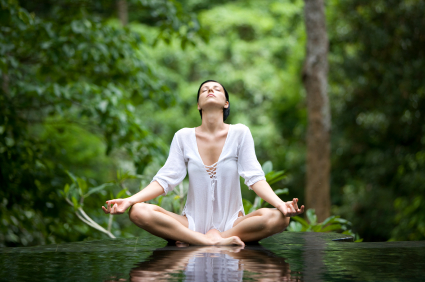
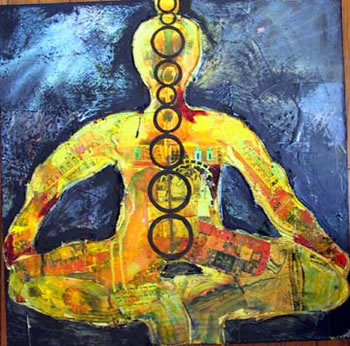
Hey everyone! Today we're going to be finding the best ways to meditate and to find a peace and quiet mind. Also, we'll be learning about our Chakras. In the Hindu religion/culture, the Chakras are very vital to meditation, because they are the vital points of our mind, body, and soul. And that's about all that I know about the subject, so I'm going to post some tips that come from Todd Goldfarb from his blog "We The Change". Yes, these will be beginner tips, so this should help out everyone that has no experience, like myself. I will also post information about Chakras and a meditative practice that should help to give some insight to what we're trying to accomplish.
Meditation for Beginners: 20 Practical Tips for Quieting the Mind
Meditation is the art of focusing 100% of your attention in one area. The practice comes with a myriad of well-publicized health benefits including increased concentration, decreased anxiety, and a general feeling of happiness.
Although a great number of people try meditation at some point in their lives, a small percentage actually stick with it for the long-term. This is unfortunate, and a possible reason is that many beginners do not begin with a mindset needed to make the practice sustainable.
The purpose of this article is to provide 20 practical recommendations to help beginners get past the initial hurdles and integrate meditation over the long term:
1) Make it a formal practice. You will only get to the next level in meditation by setting aside specific time (preferably two times a day) to be still.
2) Start with the breath. Breathing deep slows the heart rate, relaxes the muscles, focuses the mind and is an ideal way to begin practice. 3) Stretch first. Stretching loosens the muscles and tendons allowing you to sit (or lie) more comfortably. Additionally, stretching starts the process of “going inward” and brings added attention to the body.
4) Meditate with Purpose. Beginners must understand that meditation is an ACTIVE process. The art of focusing your attention to a single point is hard work, and you have to be purposefully engaged!
5) Notice frustration creep up on you. This is very common for beginners as we think “hey, what am I doing here” or “why can’t I just quiet my damn mind already”. When this happens, really focus in on your breath and let the frustrated feelings go.
6) Experiment. Although many of us think of effective meditation as a Yogi sitting cross-legged beneath a Bonzi tree, beginners should be more experimental and try different types of meditation. Try sitting, lying, eyes open, eyes closed, etc.
7) Feel your body parts. A great practice for beginning meditators is to take notice of the body when a meditative state starts to take hold. Once the mind quiets, put all your attention to the feet and then slowly move your way up the body (include your internal organs). This is very healthy and an indicator that you are on the right path.
8) Pick a specific room in your home to meditate. Make sure it is not the same room where you do work, exercise, or sleep. Place candles and other spiritual paraphernalia in the room to help you feel at ease.
9) Read a book (or two) on meditation. Preferably an instructional guide AND one that describes the benefits of deep meditative states. This will get you motivated. John Kabat-Zinn’s Wherever You Go, There You Are is terrific for beginners.
10) Commit for the long haul. Meditation is a life-long practice, and you will benefit most by NOT examining the results of your daily practice. Just do the best you can every day, and then let it go!
11) Listen to instructional tapes and CDs.
12) Generate moments of awareness during the day. Finding your breath and “being present” while not in formal practice is a wonderful way to evolve your meditation habits.
13) Make sure you will not be disturbed. One of the biggest mistakes beginners make is not insuring peaceful practice conditions. If you have it in the back of your mind that the phone might ring, your kids might wake, or your coffee pot might whistle than you will not be able to attain a state of deep relaxation.
14) Notice small adjustments. For beginning meditators, the slightest physical movements can transform a meditative practice from one of frustration to one of renewal. These adjustments may be barely noticeable to an observer, but they can mean everything for your practice.
15) Use a candle. Meditating with eyes closed can be challenging for a beginner. Lighting a candle and using it as your point of focus allows you to strengthen your attention with a visual cue. This can be very powerful.
16) Do NOT Stress. This may be the most important tip for beginners, and the hardest to implement. No matter what happens during your meditation practice, do not stress about it. This includes being nervous before meditating and angry afterwards. Meditation is what it is, and just do the best you can at the time.
17) Do it together. Meditating with a partner or loved one can have many wonderful benefits, and can improve your practice. However, it is necessary to make sure that you set agreed-upon ground rules before you begin!
18) Meditate early in the morning. Without a doubt, early morning is an ideal time to practice: it is quieter, your mind is not filled with the usual clutter, and there is less chance you will be disturbed. Make it a habit to get up half an hour earlier to meditate.
19) Be Grateful at the end. Once your practice is through, spend 2-3 minutes feeling appreciative of the opportunity to practice and your mind’s ability to focus.
20) Notice when your interest in meditation begins to wane. Meditation is hard work, and you will inevitably come to a point where it seemingly does not fit into the picture anymore. THIS is when you need your practice the most and I recommend you go back to the book(s) or the CD’s you listened to and become re-invigorated with the practice. Chances are that losing the ability to focus on meditation is parallel with your inability to focus in other areas of your life!
Meditation is an absolutely wonderful practice, but can be very difficult in the beginning. Use the tips described in this article to get your practice to the next level!
Alright, so here's some simpler steps that will help with meditation.
how to meditate: 10 important tips
Why meditate?
On one level, meditation is a tool. It can help combat stress, fosters physical health, helps with chronic pain, can make you sleep better, feel happier, be more peaceful, as well as be present.
But on a deeper level, meditation is a doorway into the unknown. It can help us get a sense of the mystery of who we are.
When you start meditating, you will notice how unruly the mind is. I remember being quite shocked by this! I noticed that my mind was all over the place. Profound thoughts about my past or future jostled with mundane thought clips about what groceries I needed to buy. Some time afterwards I would come too and notice that I had spend 15 minutes running a painful memory over and over. It was like sitting in a crazy cinema!
So, if you’re starting out with meditation, please don’t beat yourself up about your wild mind. It is a natural condition. In time you will learn to work kindly with the barrage of thoughts and you will find some clarity and peacefulness.
Here are some simple tips on how to start meditating. Maybe those of you who already practise meditation could please add your comments of what has worked for you..
1. posture
Whether you sit on a chair or cross-legged on the floor, make sure that your spine is upright with head up. If you are slumped your mind will drift. Mind and body are intertwined. If your body is well-balanced, your mind will also be in balance. To straighten up, imagine that your head is touching the sky.
2. eyes
Try and keep you eyes open. Open eyes allow you to be more present. Just lower your eyes and let your gaze be soft. If you close your eyes you will be more likely to drift away on thoughts and stories. However, it’s important to do what is comfortable for you. Some people find closing their eyes much more effective. It’s good to experiment and see what feels best for you.
2. focus
In ordinary consciousness we are hardly ever present. For example, sometimes we drive the car on autopilot while being preoccupied with thoughts. Suddenly we arrive at our destination and don’t remember anything about the drive!
So, meditation is a wonderful way of waking up to our life. Otherwise we miss most of our experiences because we are somewhere else in our mind! Let’s take a look at what focus is. In ordinary life, we tend to equate focus with concentration. That’s like using the mind like a concentrated beam of light. But in meditation, that kind of mind isn’t helpful. It’s too sharp and edgy. To focus in meditation means to pay soft attention to whatever you place in the centre of awareness. I suggest using the breath as a focus. It’s like a natural door that connects ‘inside’ and ‘outside’. Zen Master Toni Packer says:
Attention comes from nowhere. It has no cause. It belongs to no one
3. the breath
Paying attention to the breath is a great way to anchor yourself in the present moment. Notice your breath streaming in and out. There’s no need to regulate the breath – just let it be natural.
4. counting you breath
If you are having difficulties settling, you can try counting the breath – which is an ancient meditation practice. On your outbreath, silently count “one”, then “two”, and up to “four”. Then return to “one”. Whenever you notice your thoughts have strayed far away or you find yourself counting “thirtythree”, simply return to “one”. In this way, “one” is like coming home to the present moment. It’s good to return without a backward glance.
5. thoughts
When you notice thoughts, gently let them go by returning yous focus to the breath. Don’t try and stop thoughts; this will just make you feel agitated. Imagine that they are unwelcome visitors at your door: acknowledge their presence and politely ask them to leave. Then shine the soft light of your attention on your breath.
6. emotions
It’s difficult to settle into meditation if you are struggling with strong emotions. This is because some emotions tend to breed stories in the mind. Especially anger, shame and fear create stories that repeat over and over in the mind. Anger and shame make us keep looking at past events of the past. Fear looks at the future with stories that start with, “What if…”
The way to deal with strong emotions in meditation is to focus on the body feelings that accompany the emotion. For example, this could be the tight band of fear around the chest or the hot roiling of anger in the belly. Let go of the stories and refocus on your body. In this way you are honouring your emotions but not becoming entangled in stories.
7. silence
Silence is healing. I know that there are is a lot of ‘meditation music’ around, but nothing beats simple silence. Otherwise the music or sounds on the tape just drown out the chatter in your mind. When we sit in silence we actually get to experience what our mind is doing. There is steadiness and calmness that comes from sitting in silence. In time outer and inner silence meet and you come to rest in the moment.
8. length
Start with 10 minutes and only sit longer if you feel that that is too short. Don’t force yourself to meditate longer if you are not ready to do that. In time you might like to extend your meditation to 25 minutes. That’s a length that allows you to settle your mind without causing too much stress on your body. Most importantly, shrug off any ‘shoulds’. Some people enjoy sitting for an hour at a time. Others find that they can’t sit longer than 10 minutes. Do what feels right for you!
9. place
It’s lovely to create a special place to sit. You can even make a shrine or an altar that you can face when you sit in meditation. You might like to place a candle on your altar and objects that have meaning to you. It’s lovely to find objects for your altar as you walk. Maybe you find stones, or seashells, or flowers that speak to you.
10. enjoyment
Most of all it’s important to enjoy meditation. You might like to try sitting with a hint of a smile. Be kind to yourself. Start sitting just a little each day. It’s helpful to establish a daily habit.
Now that we have a pretty good idea for some good tips on meditation, it will do some good to talk about our Chakras; their meanings, locations, and colors.
Chakras
Each one of your chakras should be open yet protected. They often close as a protective measure after a major illness or any shock to your physical system, such as any abuse, rape, large doses of medicines, car accidents, emotional abuse, long stays in a hospital, negative work environment, or sleeping next to a negative partner. We really need to open them if they are closed during a healing session to prevent future illness.
1st Chakra (Base or Root Chakra) The color for the root Chakra is red and it is grounded with your power. The base Chakra is located at the base of the spine. When the root Chakra is open, you feel in good health and connected with your physical body. It is used to ground your essence into your physical body. This Chakra gives you determination, grounds you and aids in survival in the physical realms. When the root Chakra is balanced, masculine and feminine energy work together to make you strong and vital. When it is not balanced, the feminine aspects disappear and you can become overbearing and have difficulty with the ego. Physically, it governs the kidneys and the spinal column.
2nd Chakra (Spleen or Sexual Chakra)
The color for this Chakra is orange. It is used for creativity, vitality and sexual expression and creates the balance between connectedness with other people and time spent alone. The spleen Chakra is located in the sexual organs-- ovaries in women and testes in men. When the masculine and feminine energy is balanced in this Chakra, adaptability and flexibility come easily. This Chakra is connected to procreation and bringing in new life. When it is out of balance, it causes one to fear death. Physically, it governs sex and reproduction along with creativity, intimacy, flow of body fluids and energy.
3rd Chakra (Solar Plexus Chakra) The color for this Chakra is yellow. Yellow is very good for getting in touch with your power and to build confidence. It is your center of will. This Chakra deals with the human ego, emotions, and self-love. The solar plexus Chakra is located near the stomach. The primary urge of this Chakra is free will. Love essentially comes from the heart Chakra, but the spark is often ignited in the Solar Plexus Chakra. This Chakra gives you strength and provides the ability to hold energy for personal power and emotional control. When it is unbalanced, it produces rage and destructive anger. Physically, it governs the pancreas, liver, spleen, stomach, gall bladder, and the nervous system.
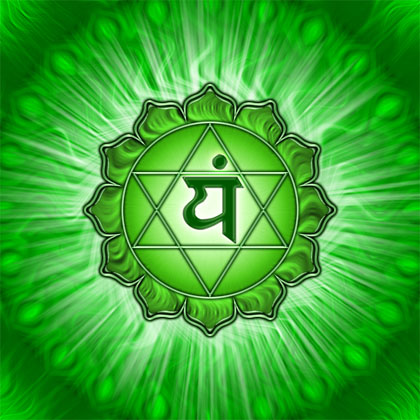
4th Chakra (Heart Chakra) The color for this Chakra is green. This Chakra deals with physical healing, balance, harmony, compassion, and love. The heart Chakra is located near the heart. The heart Chakra is most important in all facets of love. When it is balanced, you trust in others, take risks, love and feel loved. Physically, it governs the thymus gland, heart, blood, circulatory system and the immune and endocrine systems.
5th Chakra (Throat Chakra) The color for this Chakra is blue. This Chakra deals with communication and expression. The throat Chakra is located near the thyroid gland. Opening this Chakra allows you to speak the truth and to express your true feelings with love. From here, you begin to know divine love and your personal power is strengthened with divine knowledge and wisdom. Physically, it governs the thyroid gland, lungs, vocal cords, bronchial apparatus and metabolism.
6th Chakra (Third Eye Chakra) The color for the 6th Chakra is indigo, a combination of red and blue. This Chakra deals with clairvoyance and mental activity. The third eye Chakra is located in the center of the forehead. When this Chakra is open, you experience spiritual wisdom and enlightenment. It is the center of physical and spiritual understanding. Physically, it governs the pituitary gland, lower brain, nervous system, ears, nose and the left eye - the eye of personality.
7th Chakra (Crown or Christ Consciousness Chakra) The color for this Chakra is a mixture of Silver, Gold and White and Violet. It is the combination of All that Is and the Divine Connection. The crown Chakra is located at the top of the head. The silver is the feminine energy of creation, the gold is the masculine energy of creation, and the white/violet light is truth and clarity which give clear vision of the truth and protection. When this Chakra is open, you connect with the Godhead and the source of the White Light comes into your energy field. Physically, it governs the pineal gland, the upper brain and the right eye. Amethyst gems are helpful in activating this Chakra when all else is prepared.
Well, I hope you enjoyed this post. I'll end it off with a video that will help to explain the meditation process and I will give you an example of a meditation practice. Enjoy!
Meditation Exercises.
Close your eyes and become aware of your breathing. It is not necessary to breath in or out more deeply than usual. Just become aware of the workings of your body -- a gift from the Goddess. Move your awareness through each part of your body, beginning with your feet and working your way up to your head. If you feel any tension in a particular area, you can envision it melting away, or you can just accept that it is there.
Once you have checked in with each part of your body, return your awareness to your breathing. If any thoughts come into your head, let them come and go, like soap bubbles floating through the air. If you find yourself absorbed in a particular though, just release the thought, return your awareness to your breath, and rejoice in your return to the present moment.
Breathe deeply for several minutes. Relax. Forget. Visualise the tensions and worries of everyday life exiting your body with your breath. Relax. Open your consciousness; allow your conscious mind to be receptive and alert. Commune and talk with the deities. Toss around symbols in your head. If you wish, chant one of the names of the Goddess or God, or a group of them. This is an excellent tool for slipping into the twilight world. Light should be subdued, burn white or blue candles if you wish. Also incense.
Personally, for some meditation music, I like to listen to music from Lord of the Rings because it has such a strong connection with Nature, also I'll listen to the Oblivion album, the movie with Tom Cruise in it. The movie was good, but it was the music that I enjoyed very much. I'll give a sample of some of the music I listen to and, if you guys want, leave some comments of some other music you enjoy to listen to that will help others to meditate. Blessed be!


 Once Christianity took hold in Europe, witchcraft was declared evil along with all symbolism since they attributed cats to witches, cats were deemed evil by proxy.
 During the paleolithic era and early Europe, skeletons and or skulls of loved ones were preserved, painted,and dressed, then displayed prominently during clan gatherings. Body-less heads were consulted and used as oracles, with
  offerings being given for their advise. Mexican culture celebrates "The Day of the Dead"
 are both examples of crone Goddesses who were worshiped at Samhain Rituals. In order to stop Crone Goddess worship the Christian Church began to denigrate elderly women to remove their authority and knowledge from society. The Crone Goddess became the horrible, mean old hag (witch) that frighted children, cast curses, and poisoned crops and livestock. Many elderly women were tortured and killed simply because they were old.
 principle would apply, the fire attracted bugs which attracted bats. This phenomena caused the belief that witches could turn into bats and fly away.
 Besoms





 is terrific for beginners.